Translated from Portuguese by Claude. Leia o original em português · more in English
SaaS, Excel and Vibe Coding: Disposable Software
Vibe coders have been announcing the death of SaaS. You can see the recent news about the chaos in the American stock market, where software-as-a-service companies lost more than 300 billion dollars in value in a few days.
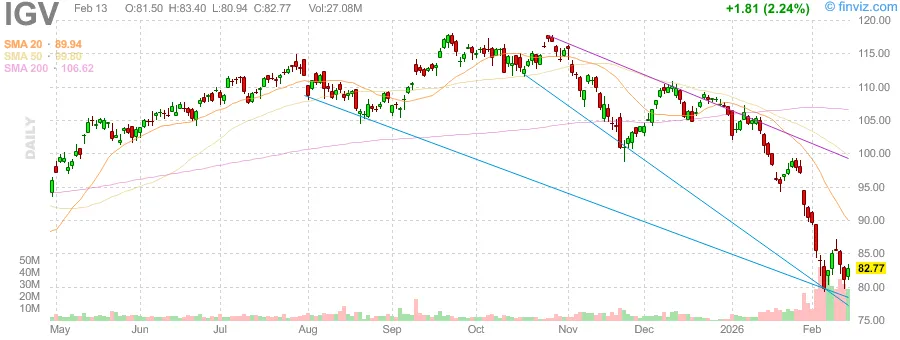
Companies like SalesForce, ServiceNow and Microsoft are watching bets move to the well-known Artificial Intelligence providers, and to related companies (like data centers and even air conditioning!). Everybody is talking about AI killing SaaS.
What is this fear?
It is the feeling that companies will start using more AI to build, or even rebuild, their most used systems. The idea that your messaging tool (Slack, etc), your ERP (SAP, and others) and your CRM (SalesForce, etc) will somehow be written with AI through vibe coding techniques, or maybe through Lovable and the like. Or even just the idea that in the future another technique will make this possible.
Will they?
Producing a lot of code over the last two weeks, including merging small pull requests into the systems of Alura (the online tech school I founded), StartSe and others, I start to notice a lot of what people are saying: we have something like the 70/30 problem described by Osmani, where AI does 70%, but the final 30% require expertise and are quite hard.
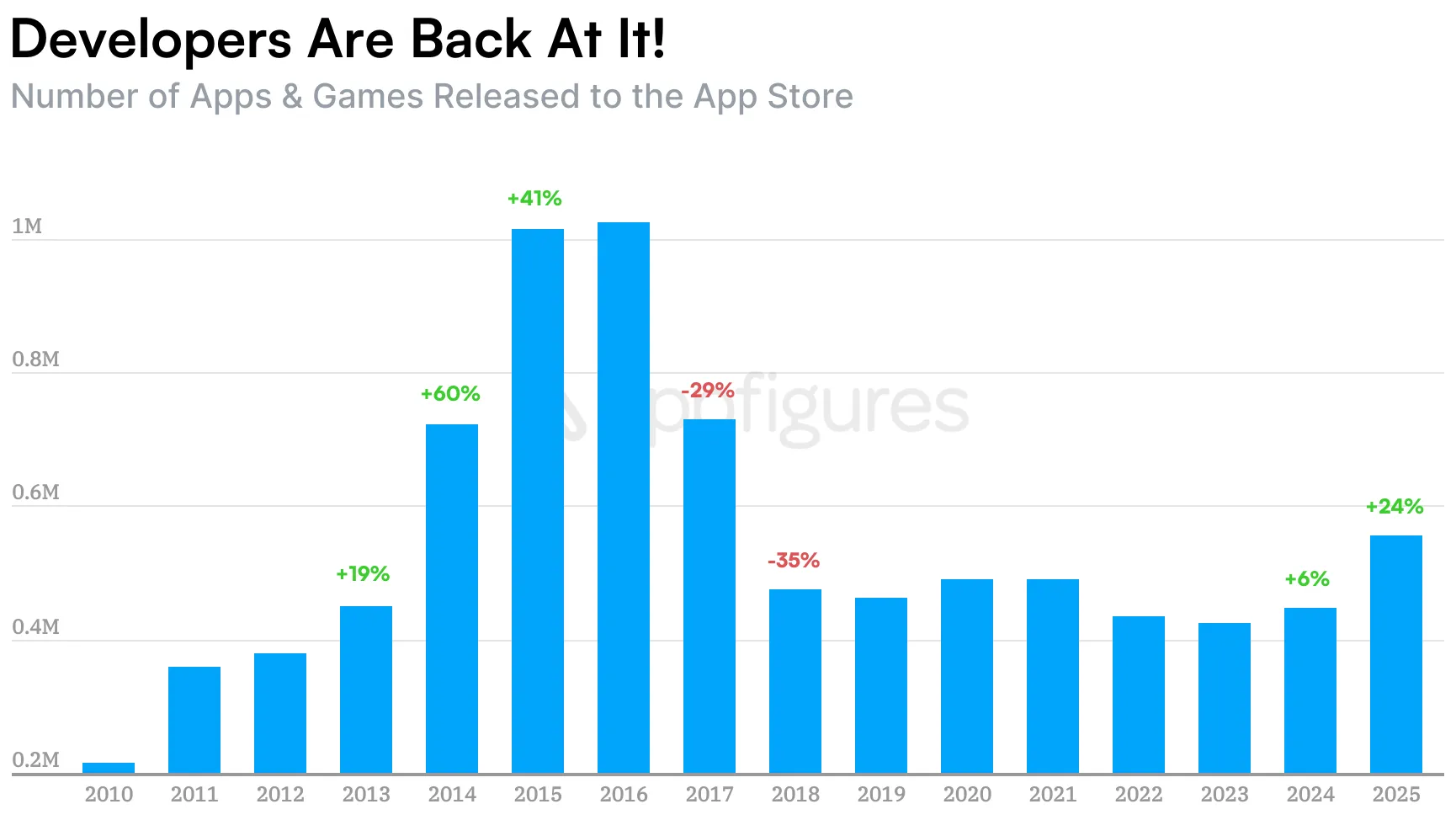
Even though we are seeing a more than significant increase in apps being deployed to Apple’s store, most of them are small toys or little systems for personal use.
My own example: I am coding projects to deal with social networks, genealogy, investments, my blogs, among others. What do they have in common? A very specific context, extremely hard to be reused by other people or even by different teams.
Sometimes it seems to me that I am actually creating souped-up HelloWorlds, using the computer as a whole, instead of just a programming language with a closed scope.
And it is not because the code quality is low or because it is hard to learn. It is because the intention is different: we are often thinking about immediate problems, not about creating off-the-shelf software. Which is good! But it is different from what we used to do.
I consider these initiatives disposable software. I don’t know which name will stick: disposable software, ephemeral apps, single-purpose apps?
But something is changing. Karpathy himself, who coined the term vibe coding, wrote in his review of 2025 that he has already created entire disposable apps just to find a single bug, because “code is suddenly free, ephemeral, malleable, discardable after single use”.
When Ruby on Rails came out, everybody believed scaffolding and other approaches would dominate all other applications and swallow new systems. Everybody rushed. Remember its adoption by Twitter and the later migration to Scala/JVM? Sure, Rails changed a lot, but it is an example that each technology ends up having its context of use and its market. Technologies older than Rails still exist, even with approaches considered old, less dynamic, etc. Just as Rails didn’t kill Java, vibe coding won’t kill SaaS. But it will create a new category next to it.
Now adoption cycles are more violent: there will be a lot of room for this disposable software, but it won’t replace every way of writing code.
And there is another feeling that Sergio captured well:
"openclaw ta me lembrando dos tempos de smalltalk na faculdade. aquela nocao de mundo stateful com codigo e dados misturados num grande blob que vai evoluindo" - Sergio de novo fazendo muito sentido.
— Paulo Silveira (@paulo_caelum) February 2, 2026
(My tweet, in Portuguese.)
When I am using Codex or Claude Code, much of the time I don’t feel I am programming, I am more executing small programs, scripts, messing with bash and feeding data. I am giving context and working on some kind of “database”, while I keep the software alive and running. And it becomes a very connected cycle: data, code and runtime.
There really is this mix of creation environment, execution and context, which we felt at university when we had the chance to play with SmallTalk. The environments merge!
In Excel, in PowerBI, this mechanism is already known: we create dashboards, spreadsheets and automations that are used for a while and then thrown away. And this kind of “business intelligence” also has this characteristic of mixing execution environments, the raw production data (admit it!) and the building of the little system itself. All mixed up. All on vibes.
And yes, Excel was always a candidate to eat specific software, but the reverse phenomenon also happened a lot. The moment now is different. Will these not-so-reusable systems gain ground in companies with complex processes and workflows? Or will they stay inside small squads and more particular uses? Either way, usage will be high.
The discussion (38 comments, in Portuguese) is on the original post.
More in English
- Archetypes instead of professions note · Sep 28, 2026
- AGI, exponentiality and superintelligence note · Sep 25, 2026
- Human Out of the Loop, Asimov and Gradual Disempowerment post · Sep 24, 2026
- My personal knowledge system after six months note · Sep 23, 2026
- Fred Brooks, Fowler and what doesn't change in the profession note · Sep 16, 2026